

Primers & Undercoats
Before you apply a fresh coat of paint to metal, MDF, or bare walls, it is essential to prepare the surface with a primer or undercoat to ensure a professional finish. A dedicated wall primer creates a robust bond for the topcoat, resulting in a more durable surface that resists wear and tear. Skipping this foundational step often leads to porous materials drinking the paint, which significantly increases the amount of product you'll need to achieve full coverage. While many modern tins offer a convenient 2-in-1 paint-and-primer solution, an undercoat is typically the better choice for previously painted surfaces, as it provides a smooth, uniform base for the new colour. When selecting your product, consider whether you are working indoors or outdoors and if you need to mask stubborn stains or odours. Generally, water-based primers are excellent for sealing drywall and bare timber, whereas oil-based options provide a tougher, more resilient finish for high-traffic areas like doors and skirting.
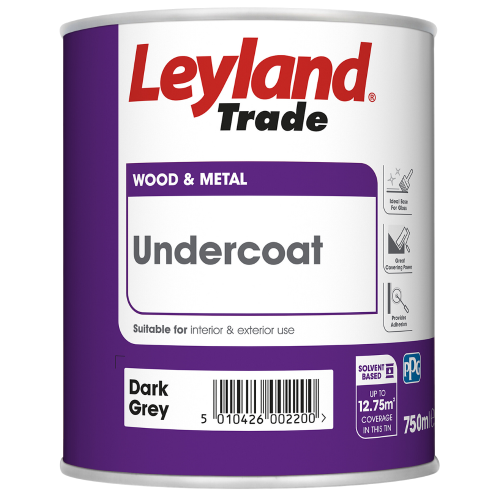
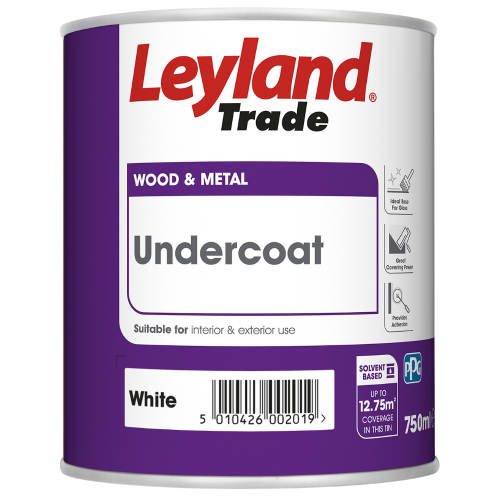
Before you apply a fresh coat of paint to metal, MDF, or bare walls, it is essential to prepare the surface with a primer or undercoat to ensure a professional finish. A dedicated wall primer creates a robust bond for the topcoat, resulting in a more durable surface that resists wear and tear. Skipping this foundational step often leads to porous materials drinking the paint, which significantly increases the amount of product you'll need to achieve full coverage. While many modern tins offer a convenient 2-in-1 paint-and-primer solution, an undercoat is typically the better choice for previously painted surfaces, as it provides a smooth, uniform base for the new colour. When selecting your product, consider whether you are working indoors or outdoors and if you need to mask stubborn stains or odours. Generally, water-based primers are excellent for sealing drywall and bare timber, whereas oil-based options provide a tougher, more resilient finish for high-traffic areas like doors and skirting.